
Hair Removal & Techniques
Hair removal
What is:
Hair removal is the technique of reducing the length of hair or its complete removal and can be temporary or even permanent. Increased hair growth can be distinguished into hirsutism, which affects women and men and is characterized by an increased number of hairs in areas with normal hair growth (e.g. more hair than normal on a man's chest or more hair than normal on a woman's legs) and hirsutism, which affects only women and has the characteristics and distribution of male hair growth. Presence of hair in parts of the body that are normally hairless, such as the upper lip, cheeks, chin, midline of the chest, breasts, abdomen, back, buttocks and inner thighs. The development of these hairs is pathological (heredity, endocrine disorders, ovarian diseases, medications) and is influenced by androgens.
In practice, both women and men can undergo hair removal on any part of the body. In men, the most common areas for hair removal are the face, chest, shoulders, back and legs, while in women, it is mainly the armpits, legs, arms and bikini area. The reasons that lead the person to hair removal can be varied, such as hygiene, aesthetic and athletic reasons. Various hair removal techniques have been invented since ancient times, such as in ancient Egypt, creams based on oil and honey.
Hair removal techniques:
Today there are various modern hair removal techniques that include both the simple reduction of hair length and even its complete removal. Thus, we can distinguish mechanical hair removal methods that include the following methods:
• Hair reduction by shaving (electric razors or hand shavers), which can be applied to the legs, face, armpits and bikini area. It is a quick and low-cost method. However, frequent repetition dries the skin, causes irritation and leads to the strengthening and hardening of the hair. The effect is temporary and the hair reappears after two to three days.
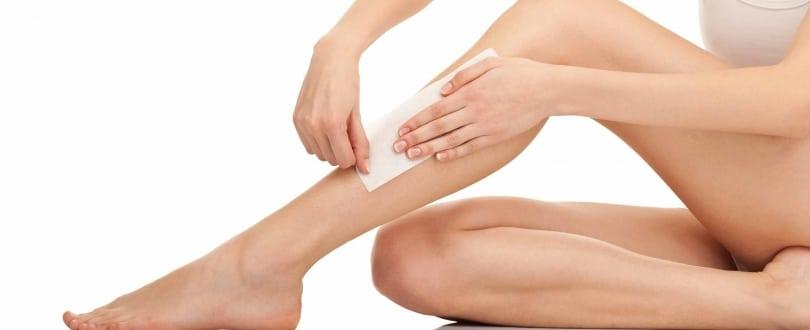
• Hair removal by pulling (wax, honey, halawa, adhesive tape, tweezers, thread). The results last more than three weeks and over time the hairs weaken and eventually their growth is further delayed. However, this method requires familiarity.
• Chemical hair removal through the use of special creams that destroy the hair and can be applied to the face, mainly the upper lip, but also the eyebrows, the bikini area, the chest, the armpits and the legs. They can cause irritation, especially in sensitive skin.
• More specialized hair removal methods include enzymatic hair removal, where initially a mechanical method of hair removal is applied and then, through ionization, a special placement of proteolytic products is performed that degrade the regenerative cells of the hair. It is applied only by trained beauticians and is a method of gradual weakening of hair growth.
• Electrolysis is an advanced and safe method of permanent hair removal. The needle enters the hair follicle and destroys the root. A slight sensation of pain may be felt due to the passage of a short and weak electric current along the hair. The most important advantage of electrolysis is that the therapist weakens specific hairs in a targeted manner.
• Laser hair removal is the most innovative in the field of hair removal and promises to provide a permanent solution to the problem of hair growth. Usually it involves the use of IPL or Alexandrite, binary or ND: YAG laser, and the choice depends on skin type and hair color. Lasers target the melanocytes of the hair bulb, which absorb the energy emitted and thus destroy the hair follicle. The result of this process is to weaken and destroy the hair. In the application of a diode laser in combination with radio frequencies (RF), the laser light beam is selectively absorbed only by the melanin of the hair, resulting in selective focus of energy on the hair follicle and destroying it without affecting the skin or the rest of the body. During the treatment, all hairs in the anagen phase (hair growth period) are affected. For this reason, it is necessary to have repeated sessions to achieve the desired result. The darker the hair and the larger the diameter of the hair, the more satisfactory the results. The laser hair removal It is usually done for aesthetic reasons, however, there are also cases such as folliculitis, when the free end of the hair becomes trapped under the skin where laser is the only medically appropriate treatment. On average, 6-8 sessions are required except for the facial area where some additional sessions are needed due to hormonal effects.

No Comments